

Help 2 Creator
Fashion & Style
Monetized
$400.00
Subscribers649,000
Monthly income$50.00
Channel marketplace
Compare available channels by asking price, audience and reported income. Open a listing for its channel details, seller conversation and current availability.
Published Jul 13, 2026 Updated Sep 8, 2026 Editorial standards
Current marketplace
36 current matches for this page.
Fashion & Style
Monetized
$400.00

Educational & QA
Monetized
$299.00

Games
Non-monetized
$10.00
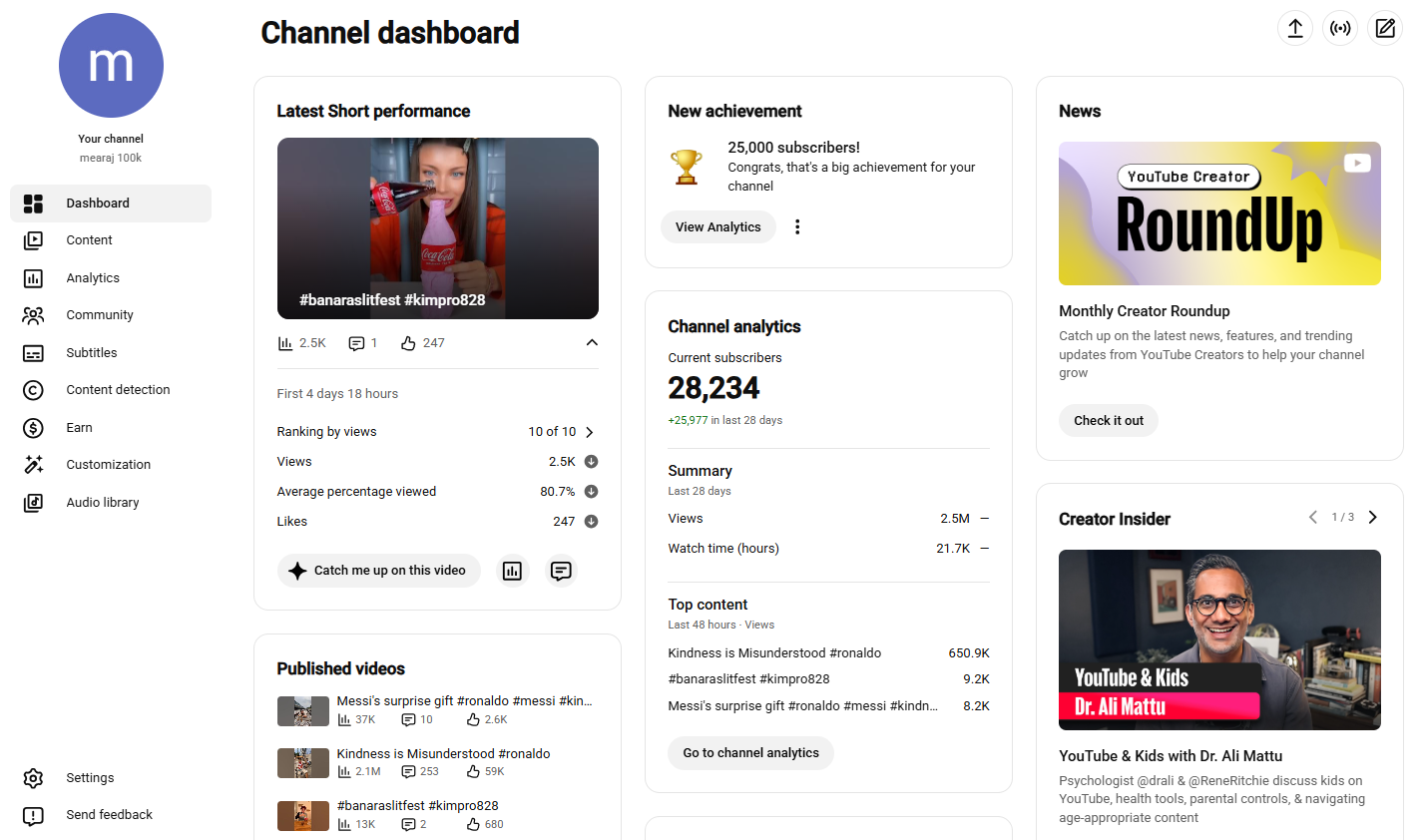
YouTube Shorts & Facebook Reels
Non-monetized
$33.00
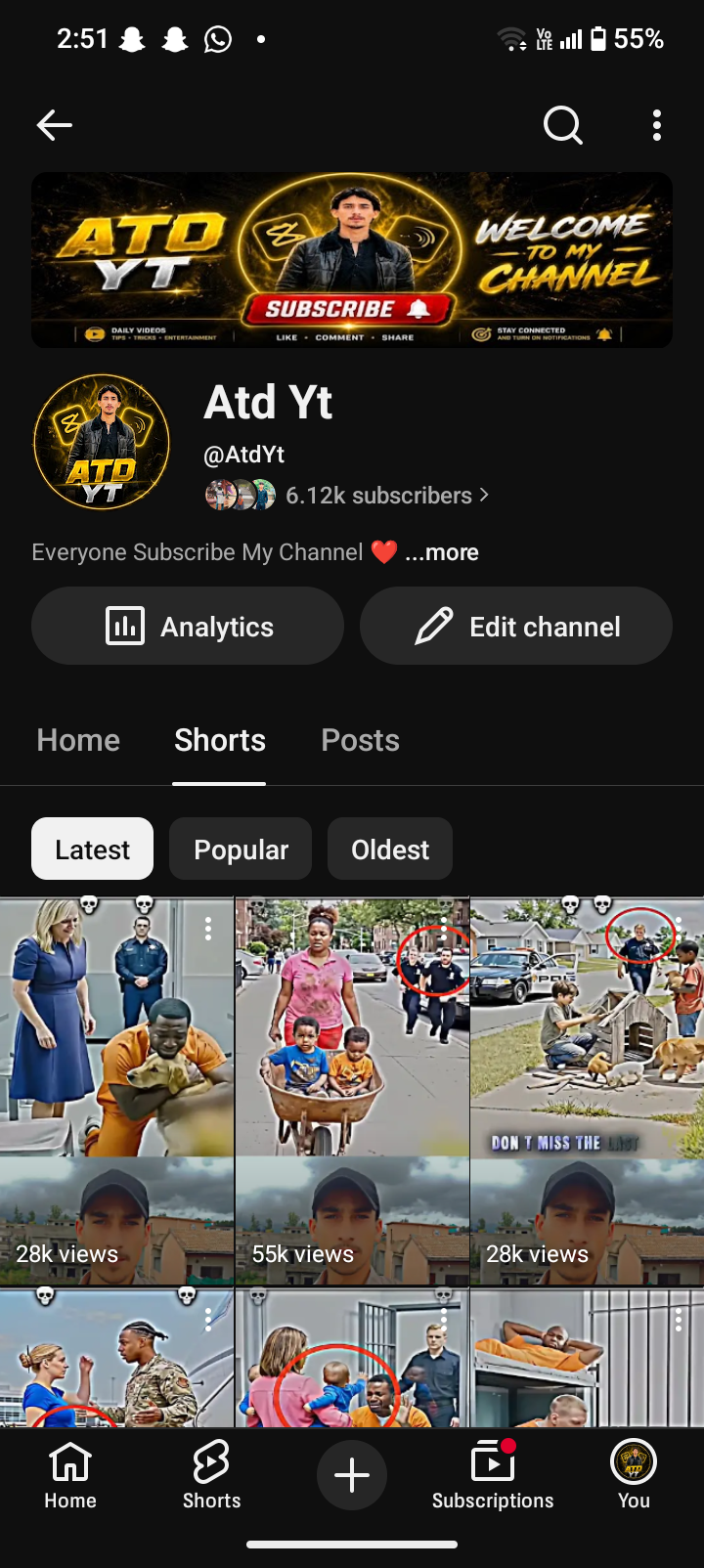
YouTube Shorts & Facebook Reels
Non-monetized
$90.00
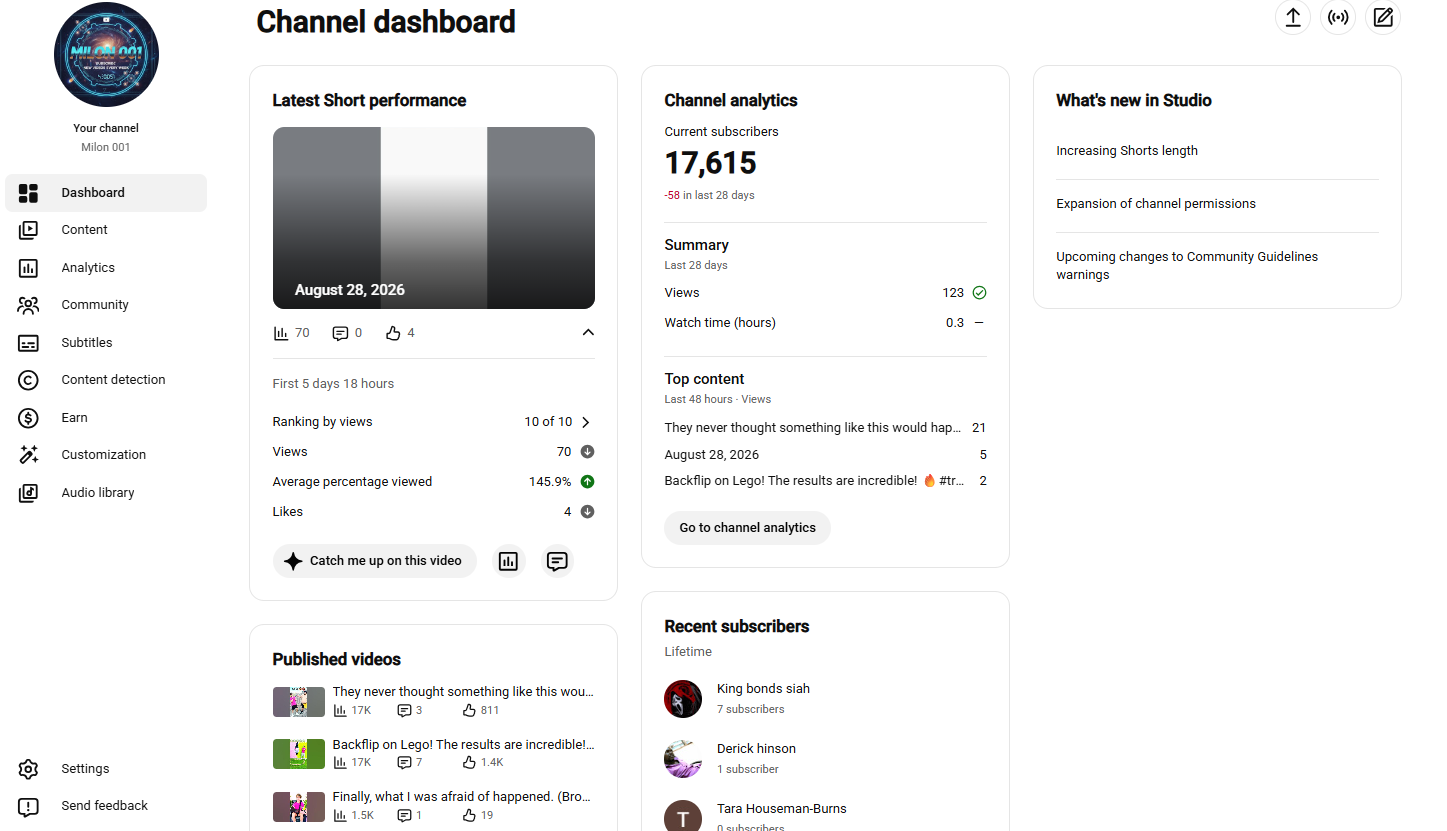
YouTube Shorts & Facebook Reels
Non-monetized
$29.00
This page is a starting point for comparing YouTube channels for sale across categories. The preview shows a selection of currently public listings. Use the complete directory for all results, search, price limits and sorting. A listing's asking price is the seller's proposal; it is not evidence of a completed sale at that amount.
Open several relevant listings before choosing one. Compare the channel link, subscriber count, stated income, category and included assets side by side. If two channels have similar prices but different publishing formats, investigate the work each will need after purchase instead of treating them as equivalent.
Choose a category first. A buyer able to produce game commentary may not be able to run a travel channel requiring original footage. Start with the topic and production format you can maintain, then compare the available audience.
Set a purchase-price limit. The directory supports minimum and maximum prices. Leave room for the fee shown on an accepted deal and your production budget. The lowest asking price is not automatically the least expensive channel to operate.
Use subscriber and income filters for shortlisting. These fields help reduce the number of listings to review, but a similar subscriber count does not establish similar audience quality. Confirm the date and source of a listed income figure with the seller.
Open the individual listing before acting. Availability can change while you are comparing options. Review the latest status and use the request associated with that listing so you do not confuse two channels in a seller's inventory.
The buying process explains what happens after you find a suitable listing. You can compare inventory here without starting a deal.
A lifetime subscriber count and a recent monthly-income figure measure different things. Ask what period the income covers and whether the recent videos still attract the audience represented by the subscriber count. Missing information should remain a question for the seller, not become an assumed zero or an optimistic forecast.
For example, two channels might have the same asking price while one relies on a single popular archive video and the other receives smaller views across many uploads. The first needs a closer look at how long that one traffic source may last; the second needs a closer look at the cost of maintaining its publishing schedule. Neither conclusion follows from subscribers alone.
Use the channel valuation guide to organize your assumptions. For marketplace-wide context, market insights labels the active-listing dataset and its asking-price measures separately from completed transactions.
For each candidate, keep the listing URL, the channel identity, the asking price and three or four unresolved questions. Ask questions tied to what you saw: why recent uploads changed, which dates the revenue evidence covers, or whether the thumbnail files are included. This gives the seller something concrete to answer.
After those answers, decide which channel deserves a request and which should leave the shortlist. Record any agreed inclusions in the deal conversation. A discussion about several channels should still lead to a request for one clearly identified asset and amount.
If a listing has sold or been removed, return to current inventory to find an alternative. Do not use a saved screenshot of an old price as confirmation that the channel is still available.
Compare niche fit, recent audience activity, monetization evidence, production costs, content rights and the transfer method before comparing asking prices.
Not by itself. Active viewers, stable traffic, transferable content rights and normalized profit usually provide better context.
Use the full Browse Channels directory for current inventory, filters and sorting.
Loading conversation...
Social Bidz Escrow
Ask a question about buying, selling, or secure escrow. Your seller conversations remain available below.
Send your first message to this seller.
Escrow Transaction
Waiting for the seller to accept your request.
Offer accepted
Sign in or create an account to continue payment securely.
This request is no longer active.
Never share payment details outside escrow. All transactions are protected.
Select a conversation
Your seller replies and deal requests appear here.
The seller will review your request.
When the seller accepts, create a free account to complete payment - your chat and deal will be waiting for you.